MOTHER CONCRETE
visual poetry for green urbanism
click images & arrows or scroll to interact throughout the site

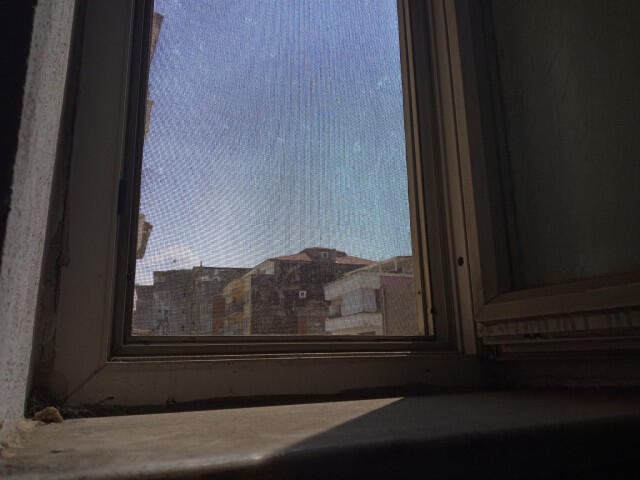
Leave me with the concrete; let the rain-soaked high-rise buildings grow taller until all I can see is the fog in their irises and the distant blue eyes of an apartment awake in the dark.
When I look up, there is sky, and then there is concrete.
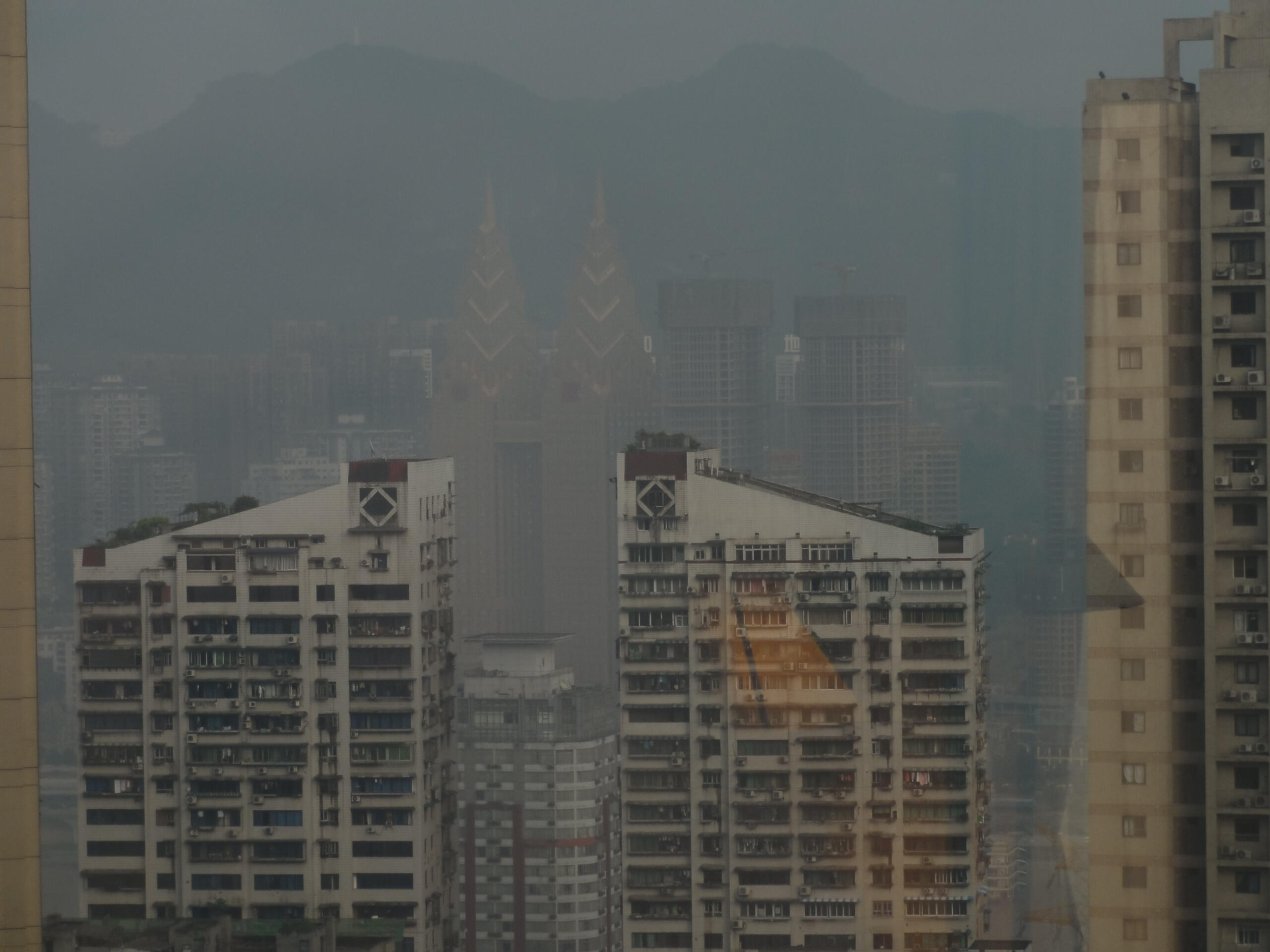
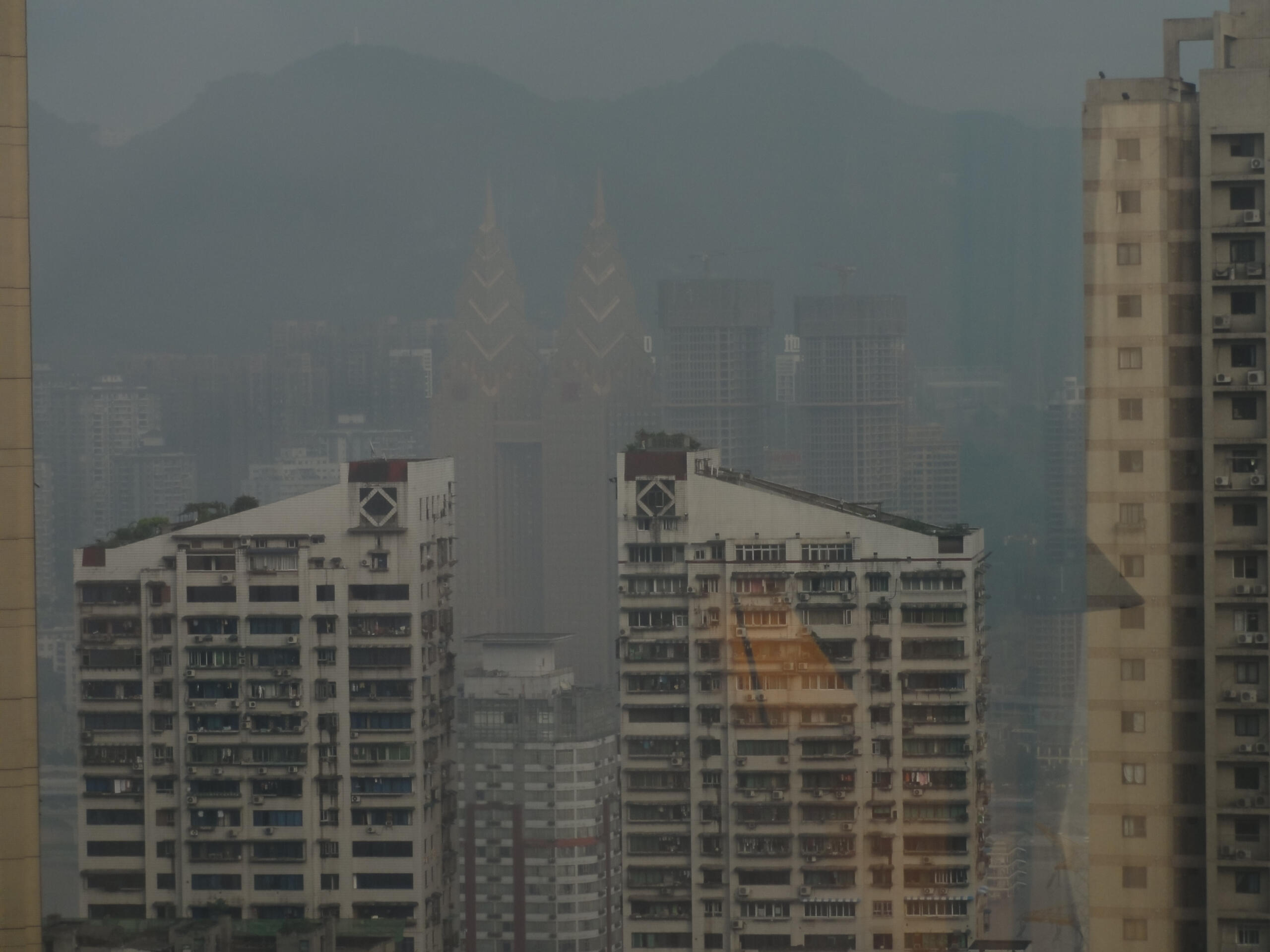
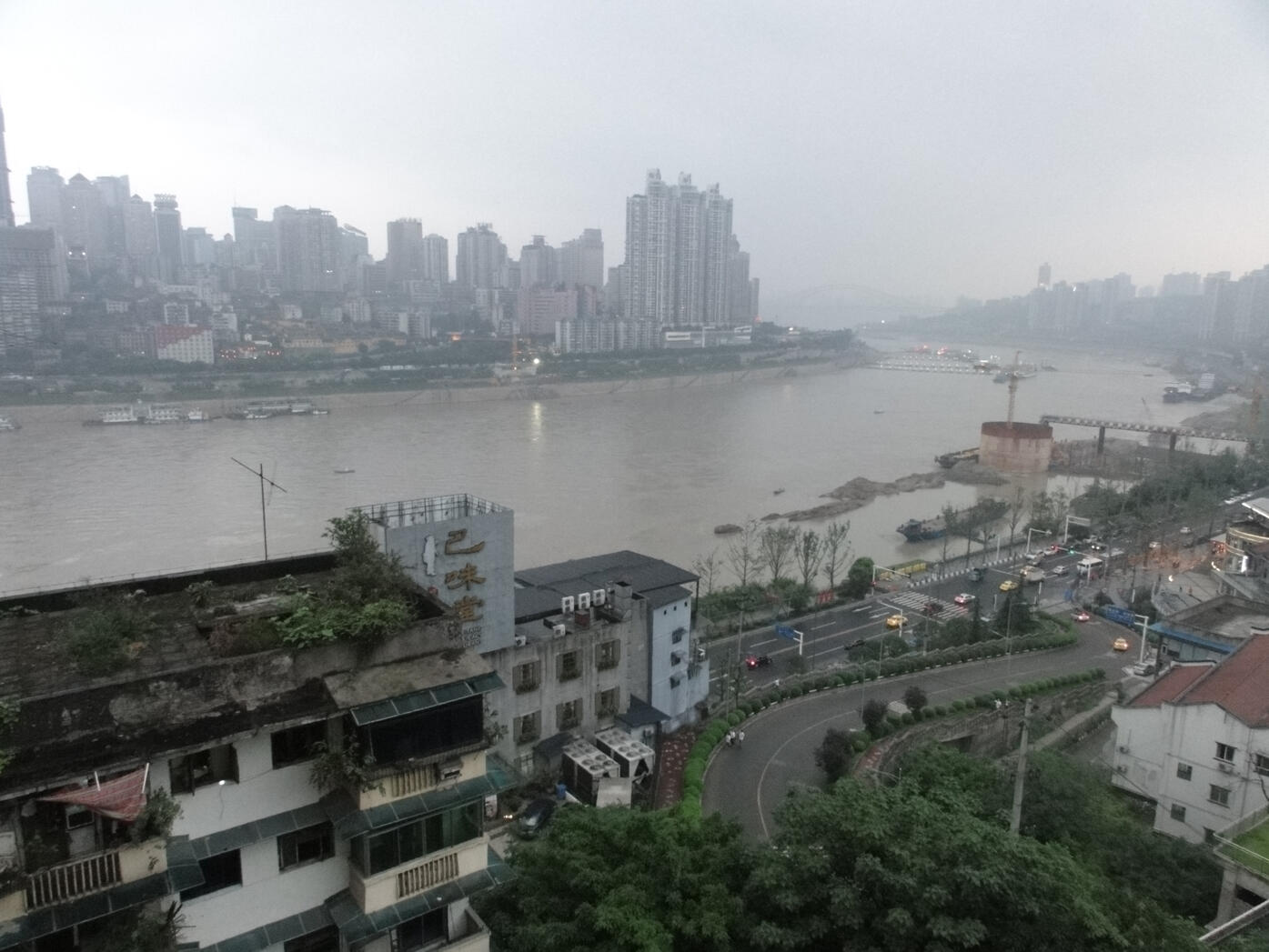
CHONGQING (重庆) 2011
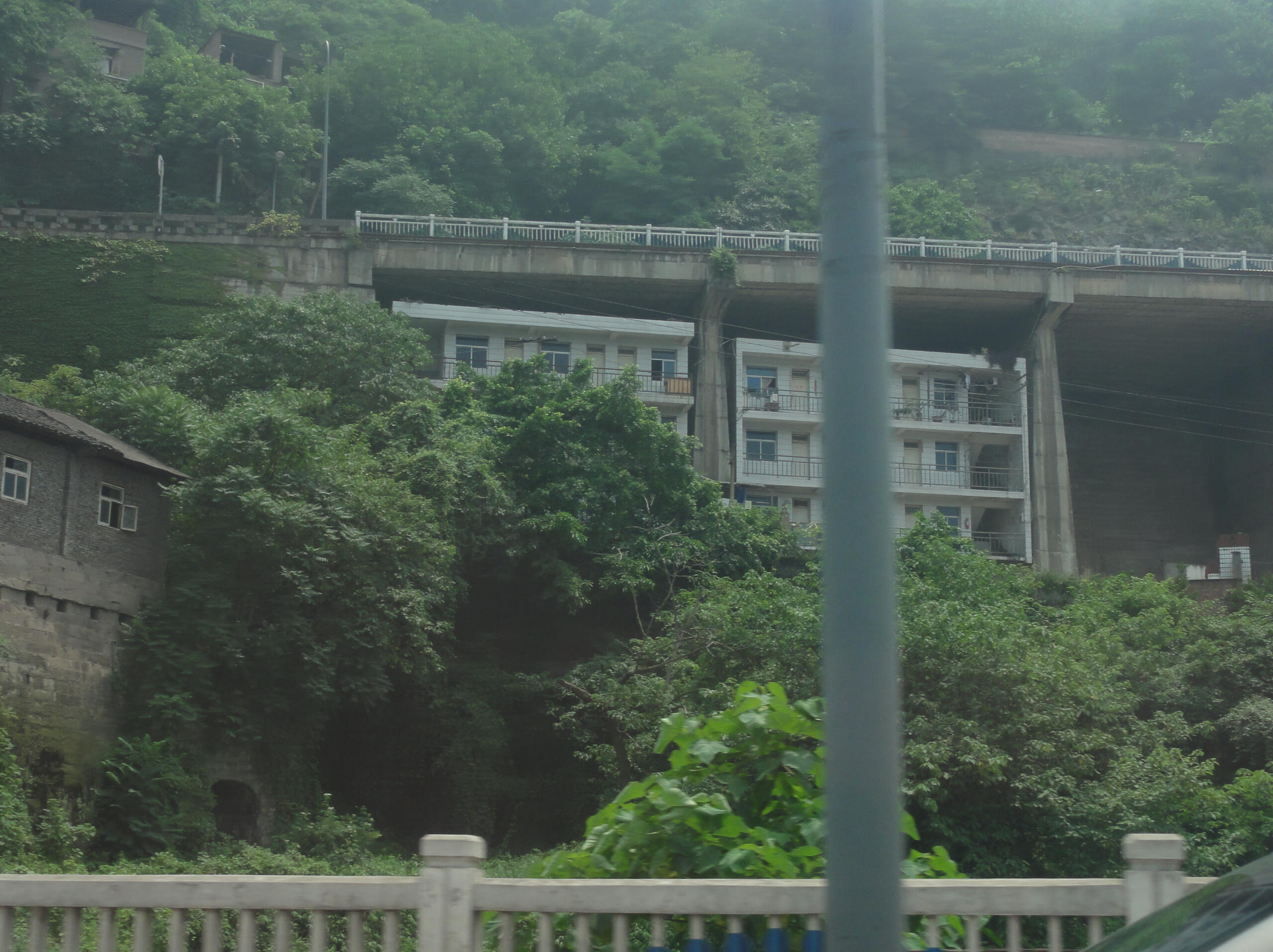
China rapidly urbanized in the 70s and 80s, and now has around 145 cities with over a million people. These photos were taken by my father when we lived in Hong Kong.
The agora, the place
All cities are mad: but the madness is gallant. All cities are beautiful, but the beauty is grim.
Christopher Morley
In cities, the people build walls, construct monuments, live for generations, and never disappear. There are ghosts in every building.
Urban centers are cultural hotspots; from ethnic communities to neighborhood culture, cities have been a vibrant celebration of life for all of human history.
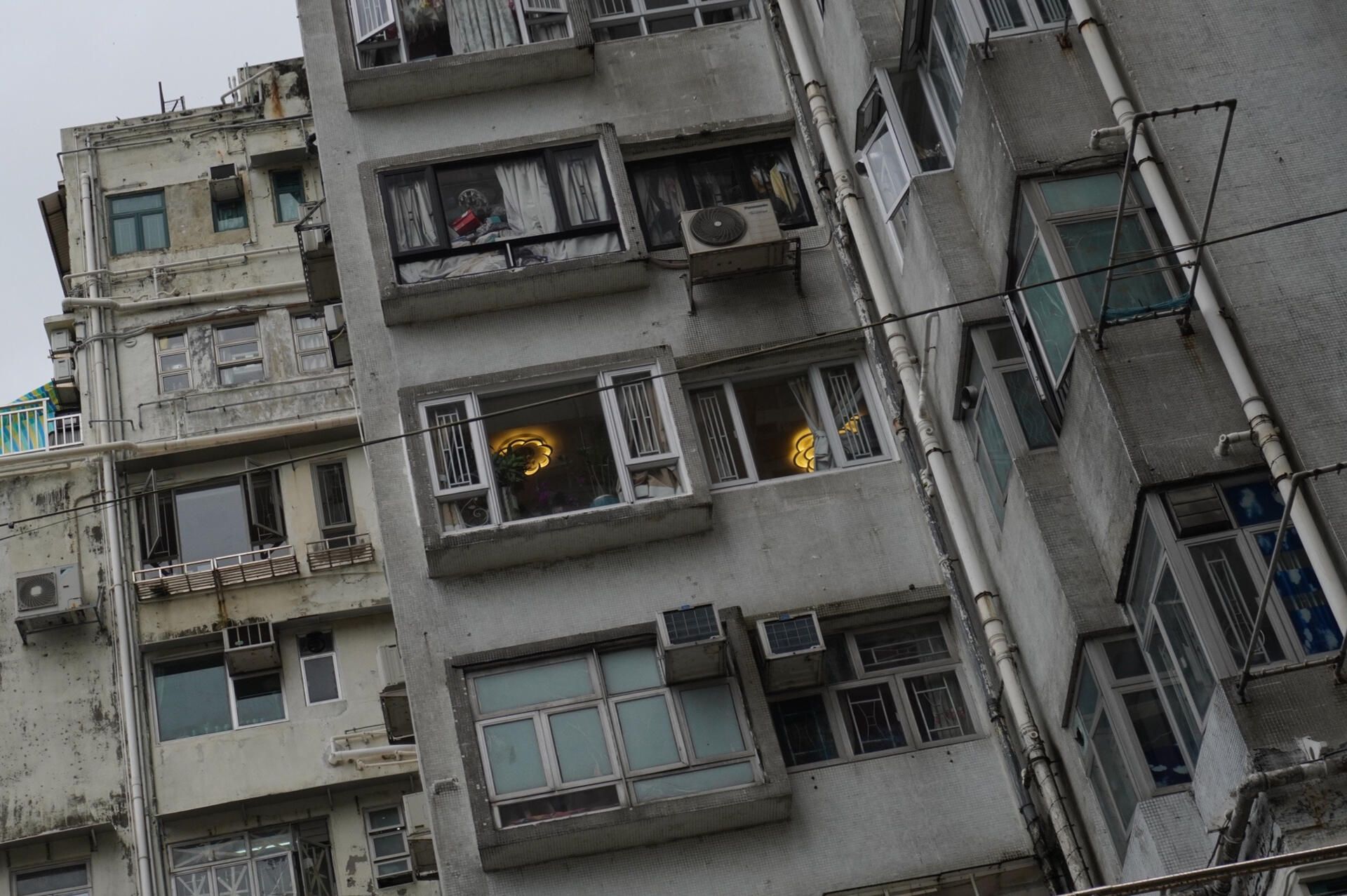

Man worships the solemn, unmoving concrete that lines the fabric of our lives.
In those times, railways and highways cascaded into the deserts, mountains, and countryside. The drifting life of an artisan exchanged for the four walls of the steel factory. There's beauty to be found in progress, in the charge forward. Something new.
Forge ahead and pursue man's purpose.

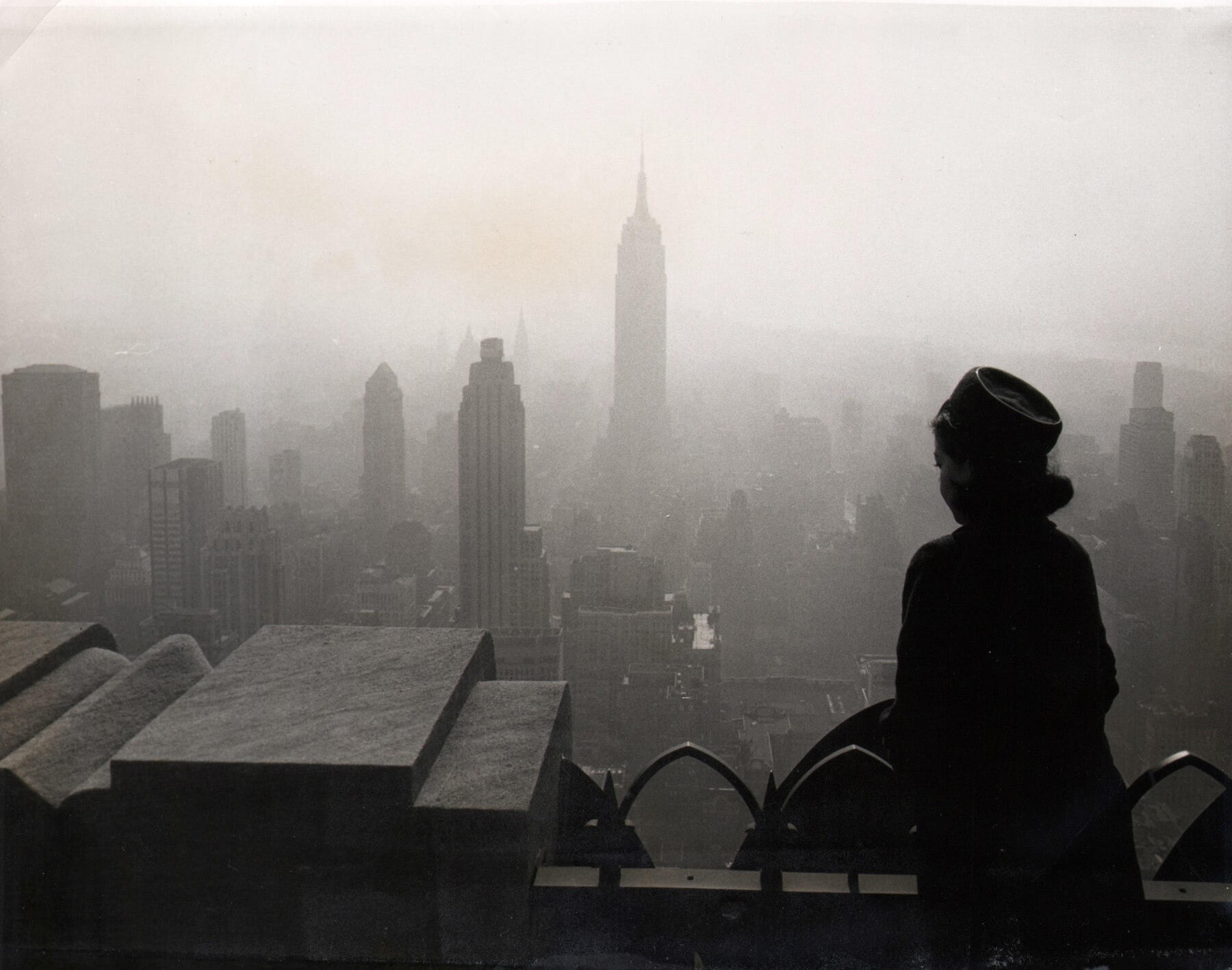
Smog in New York City. c. 1965

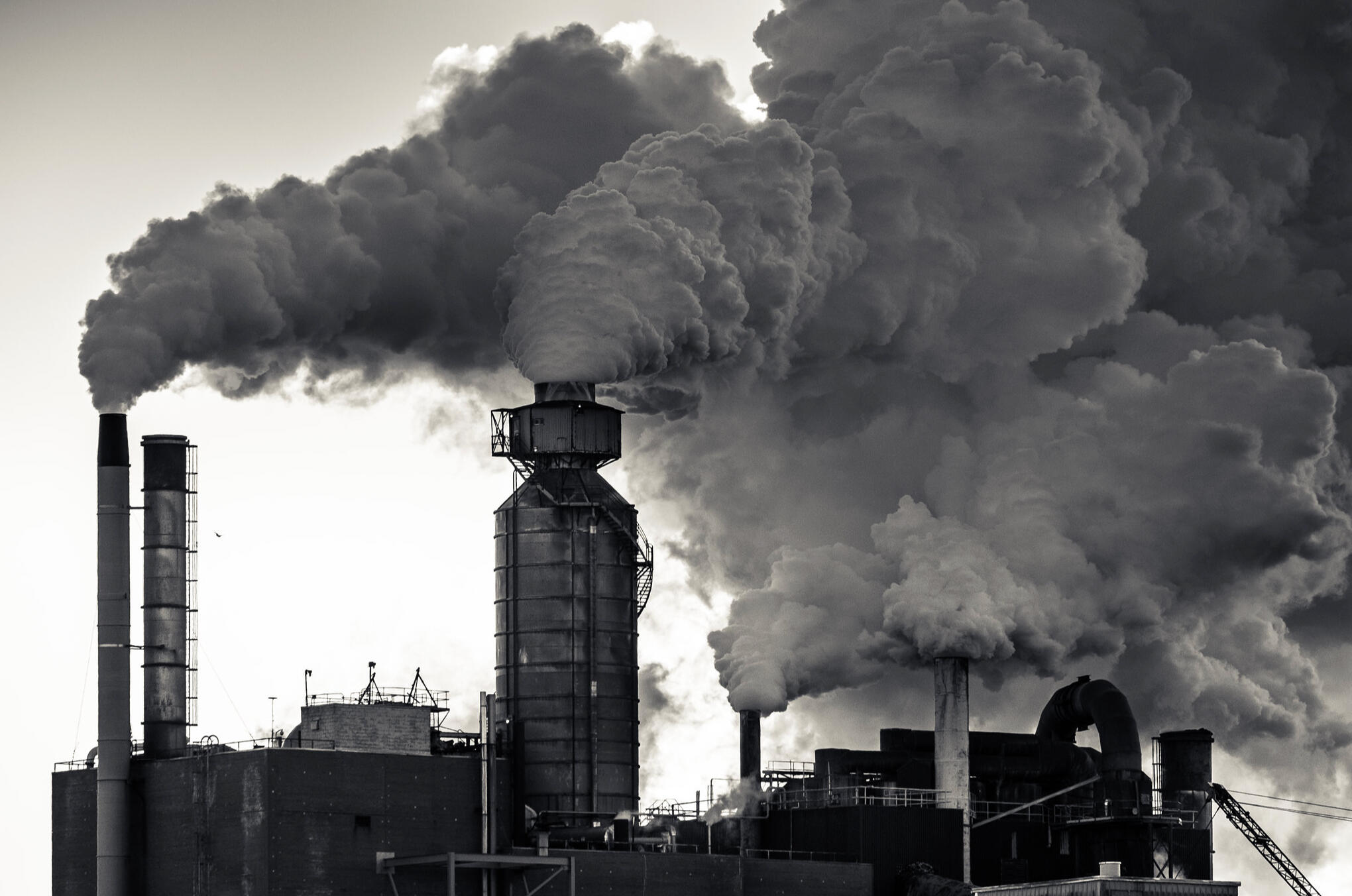
Northern Pulp Mill at Abercrombie, Pictou County, Nova Scotia
The symbol of progression has become the replacement of soft soil with impermeable surface.
We rapidly colonize the land, upturning life and refusing to coexist.
The Economist, May 3 2007
In the world's three most rural countries, 90% of urban-dwellers live in slums.
The model generally used to measure how "developed" a state is suggests that an urban center might go from something like this...
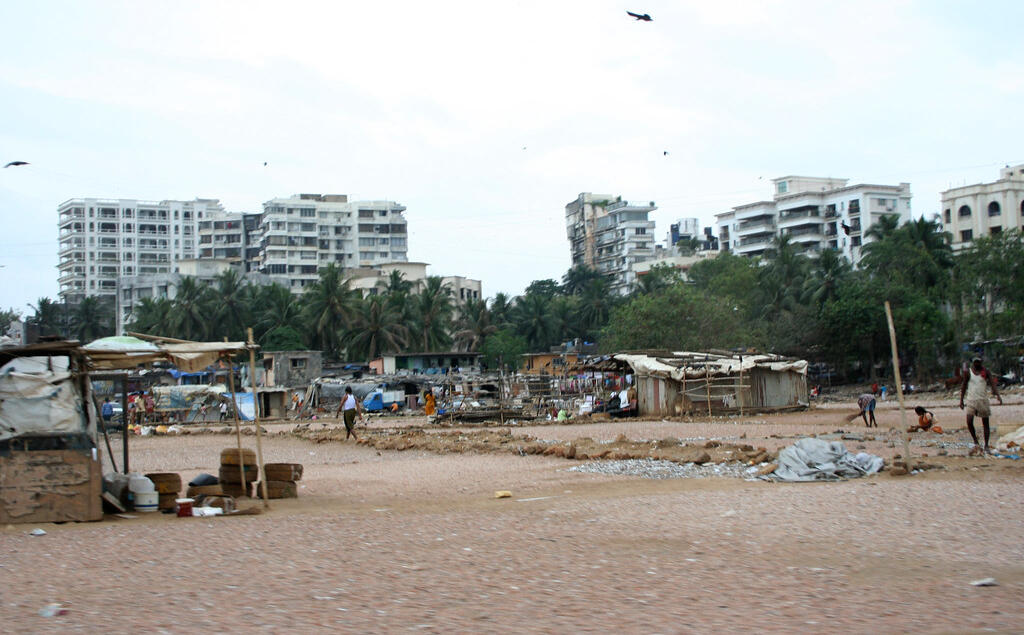
To this...
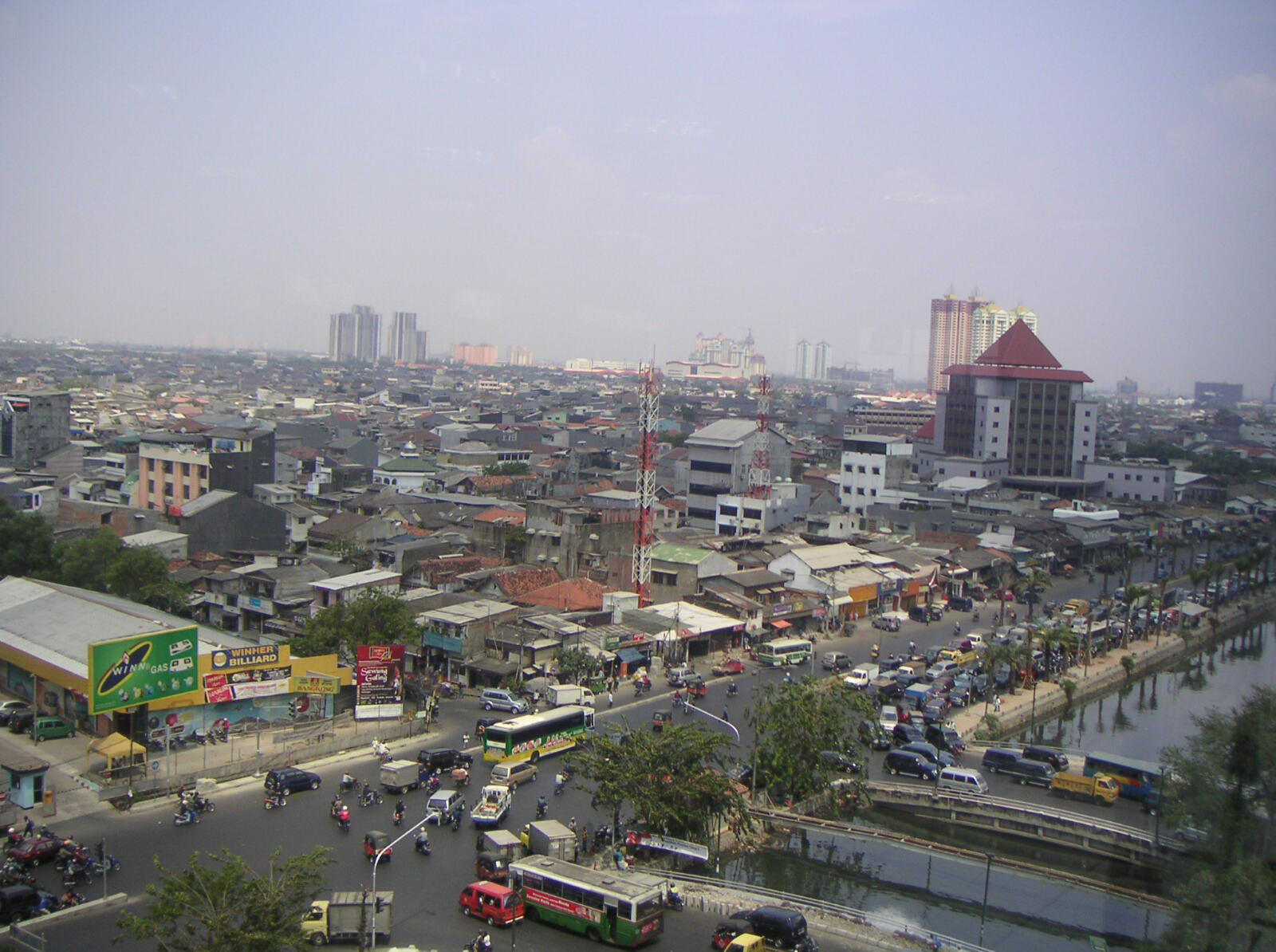
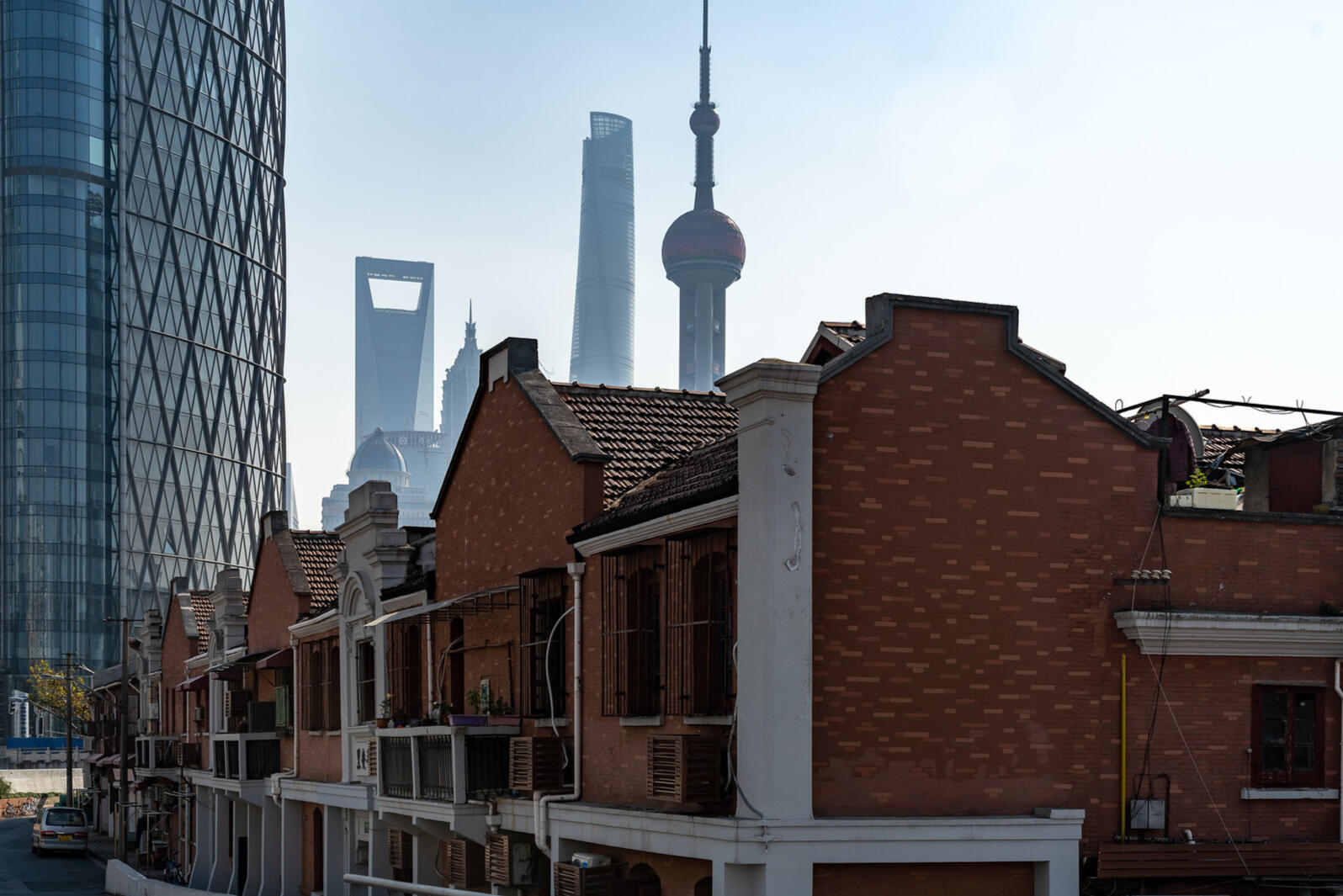
And finally to this.
I know the moon,
And this is an alien city.
A London Thoroughfare. 2 A.M.
Amy Lowell
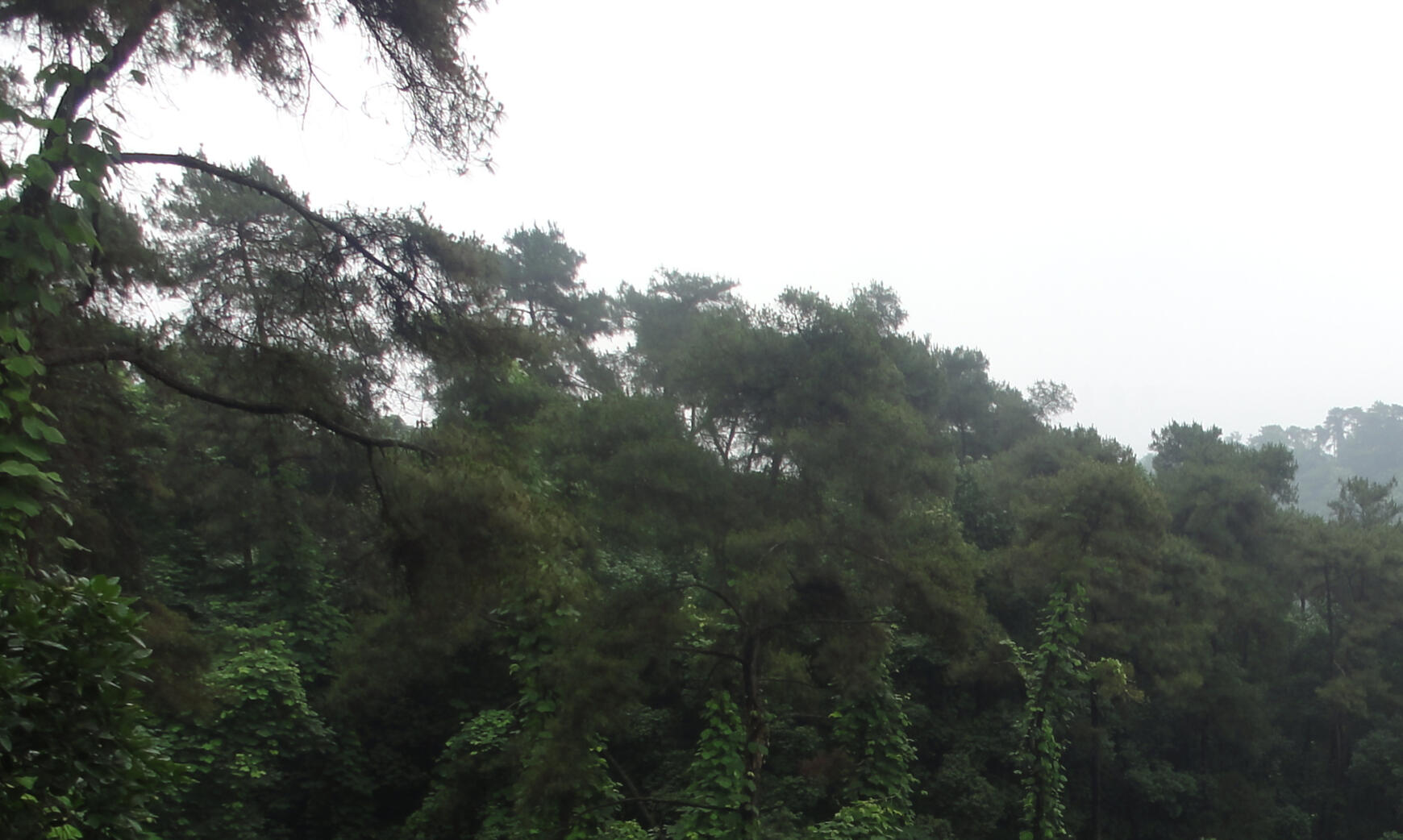
“When you invent the ship, you also invent the shipwreck.”
― Paul Virilio, Speed and Politics
Urbanization and its corresponding sprawl drain the land of its resources until it is brittle and unhealthy, a husk of its unsettled past.
The UN Environmental Programme estimates that cities are responsible for 75% of greenhouse gas emissions.
As cities heat up and become ever denser in population,
problems of air and water quality, maldistribution of resources to thrive, excessive waste, disposal issues, and energy consumption grows in risk.
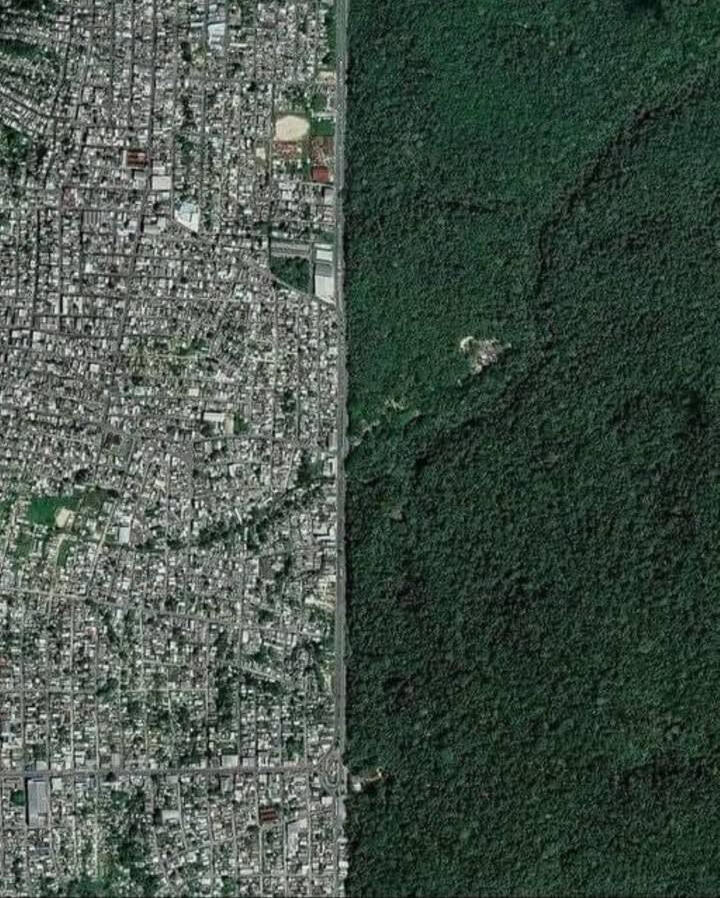
The "invisible wall" between the city of Manaus and the Amazon Rainforest.
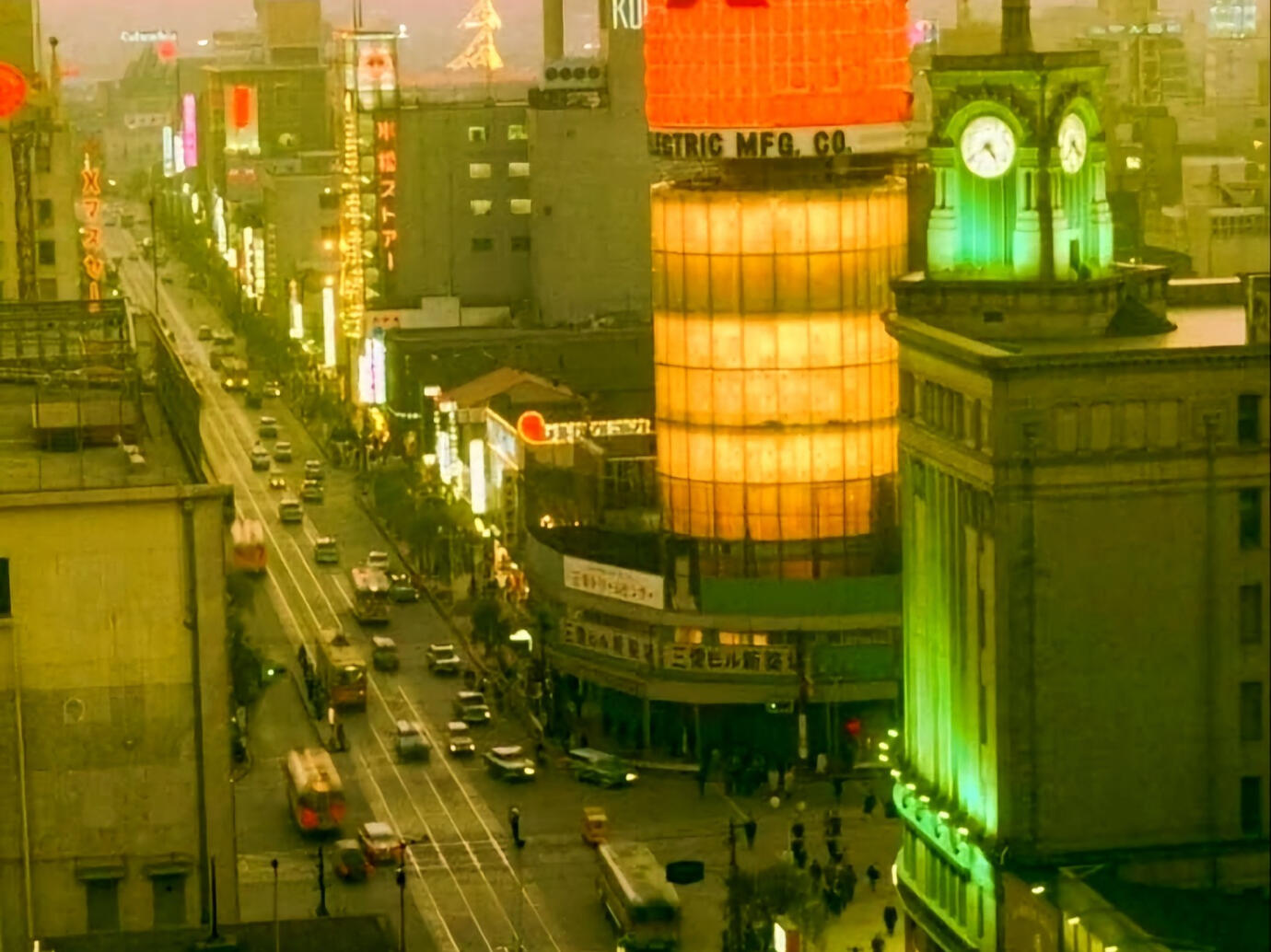
Let's retrieve these shipwrecks together.
A NEW URBAN JUNGLE
And it's not a fantasy, it's not shiny with novelty or far away...
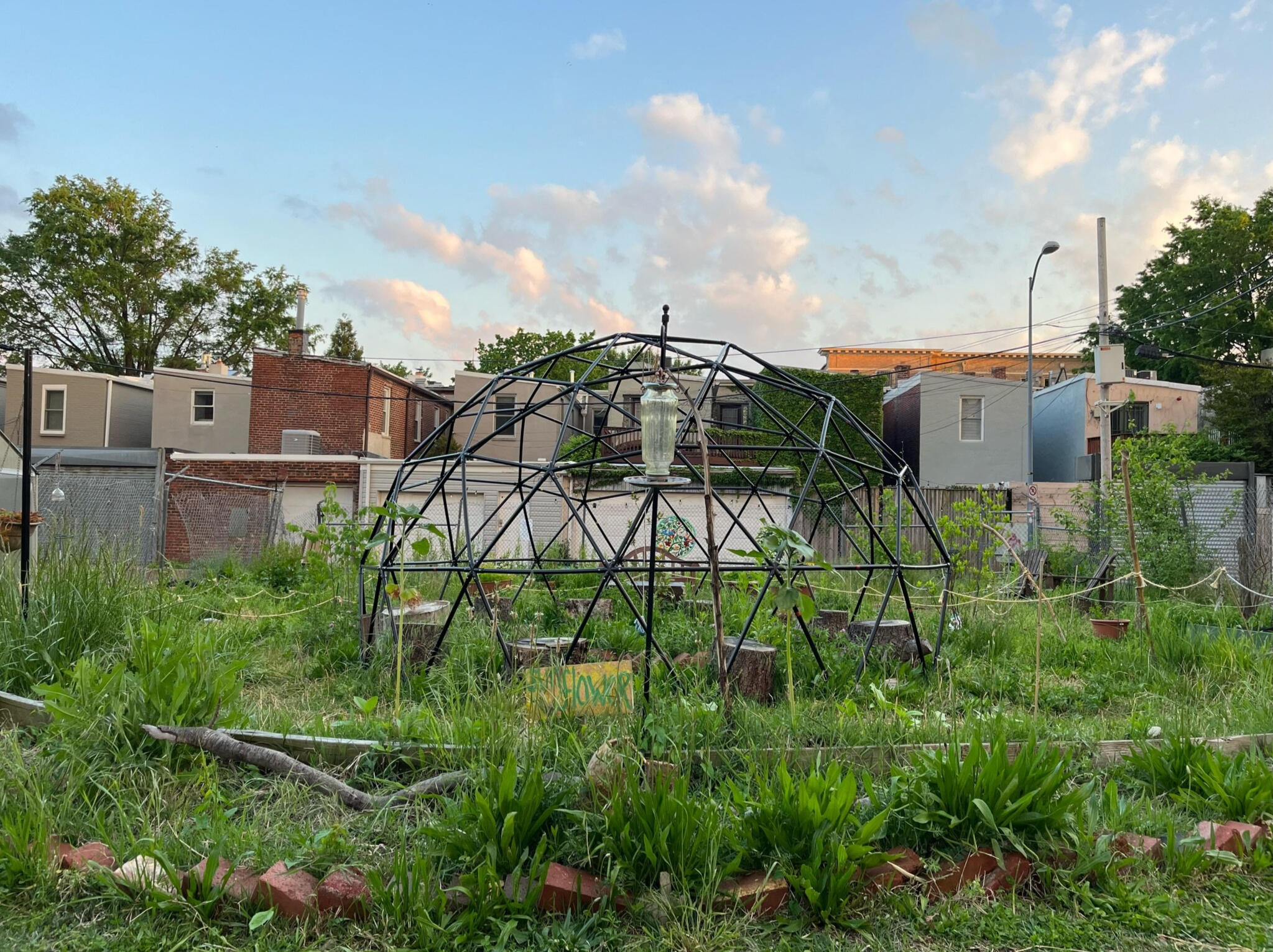
TEMPERANCE ALLEY GARDENS, WASHINGTON DC
Green city planning: a new place
Los Angeles' “sponge” infrastructure— porous roads and storm gardens—gathered 8.6 billion gallons of water from excessive storms, enough to sustain over 100,000 households/year.
Kate Orff, director of Columbia University’s Urban Design Program and SCOPE, an environmental design firm, says that "a big part of climate adaptation may simply be unbuilding what we’ve already built", our environmental mistakes. She asks the world to understand that living ecosystems are infrastructure and can be deployed for regenerative and ecological purposes. They will become weaved into communities for the long term purpose of reducing our climate impact.
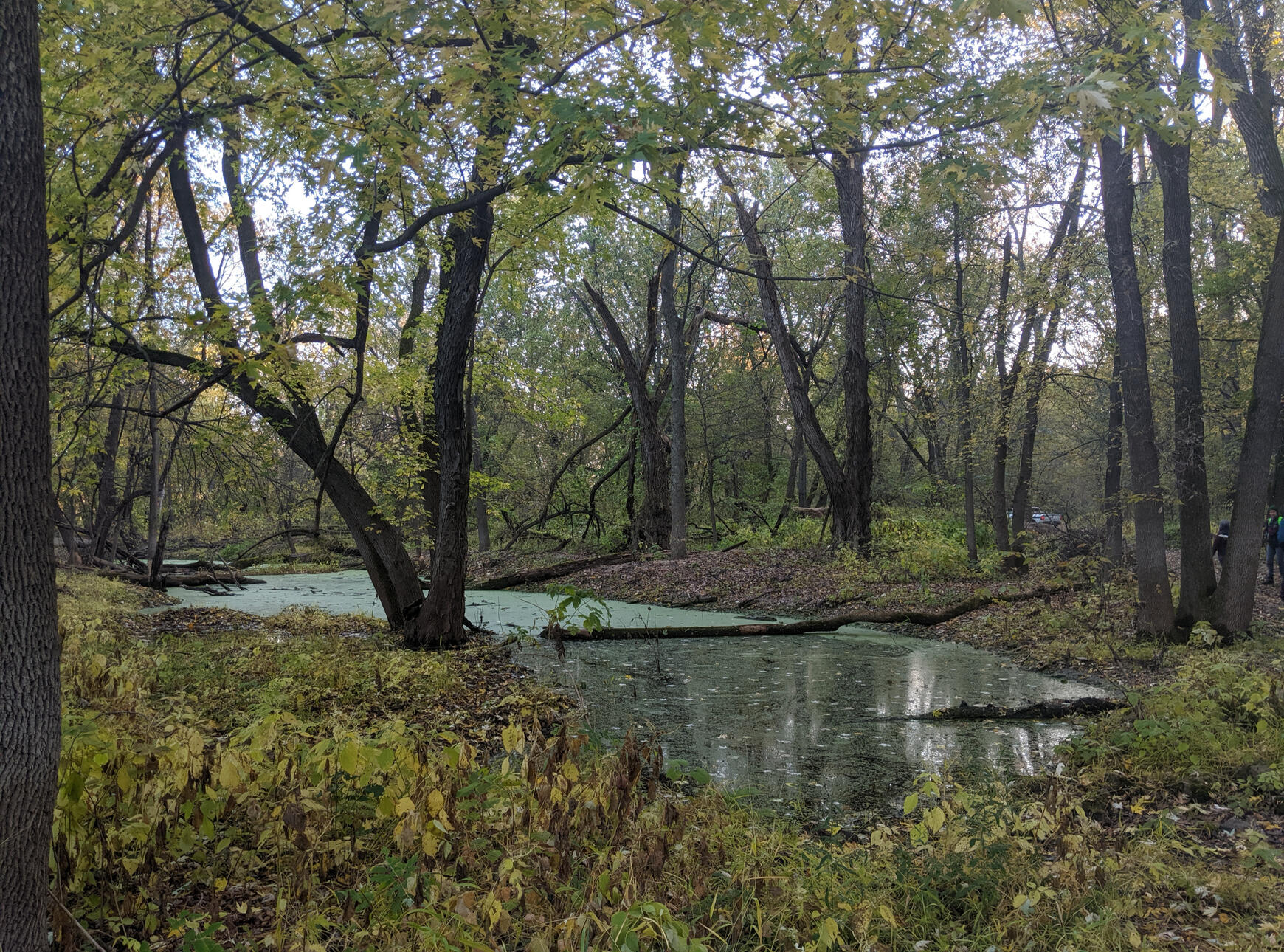
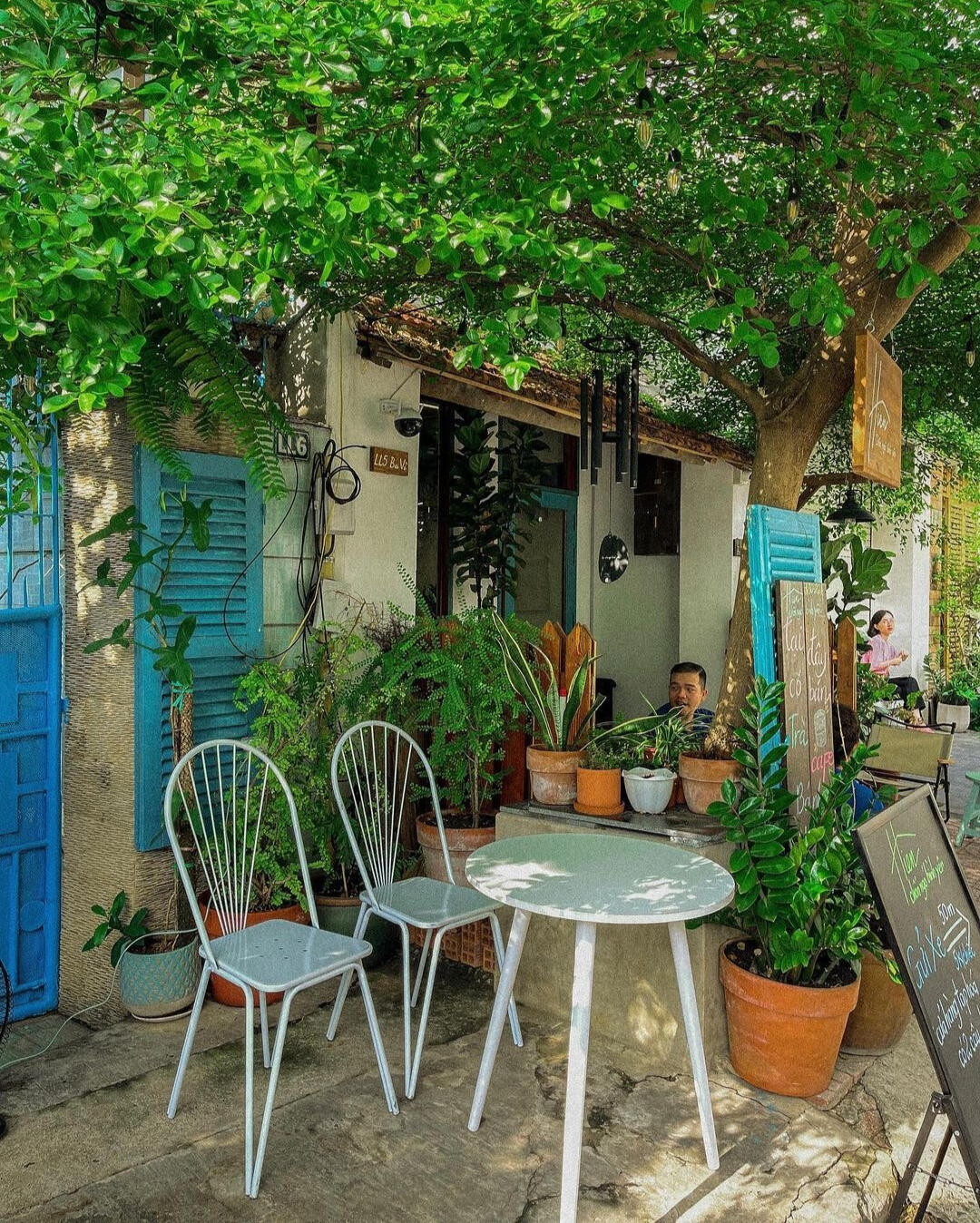
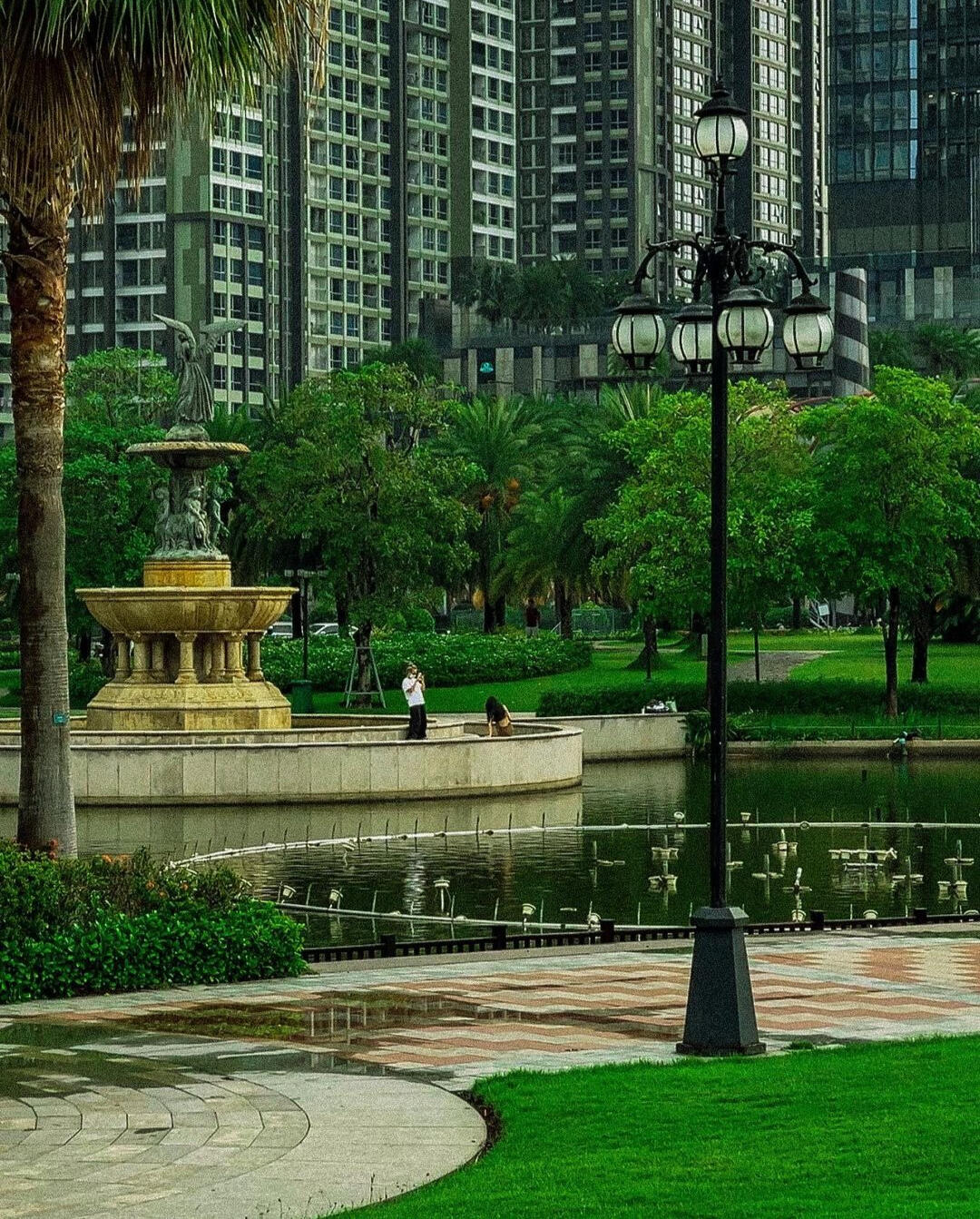
Ho Chi Minh City, Vietnam
Orff contributed to the idea of the Mississippi River National Park. It was "an idea that proposed a larger vision, connecting the river back to its floodplain".
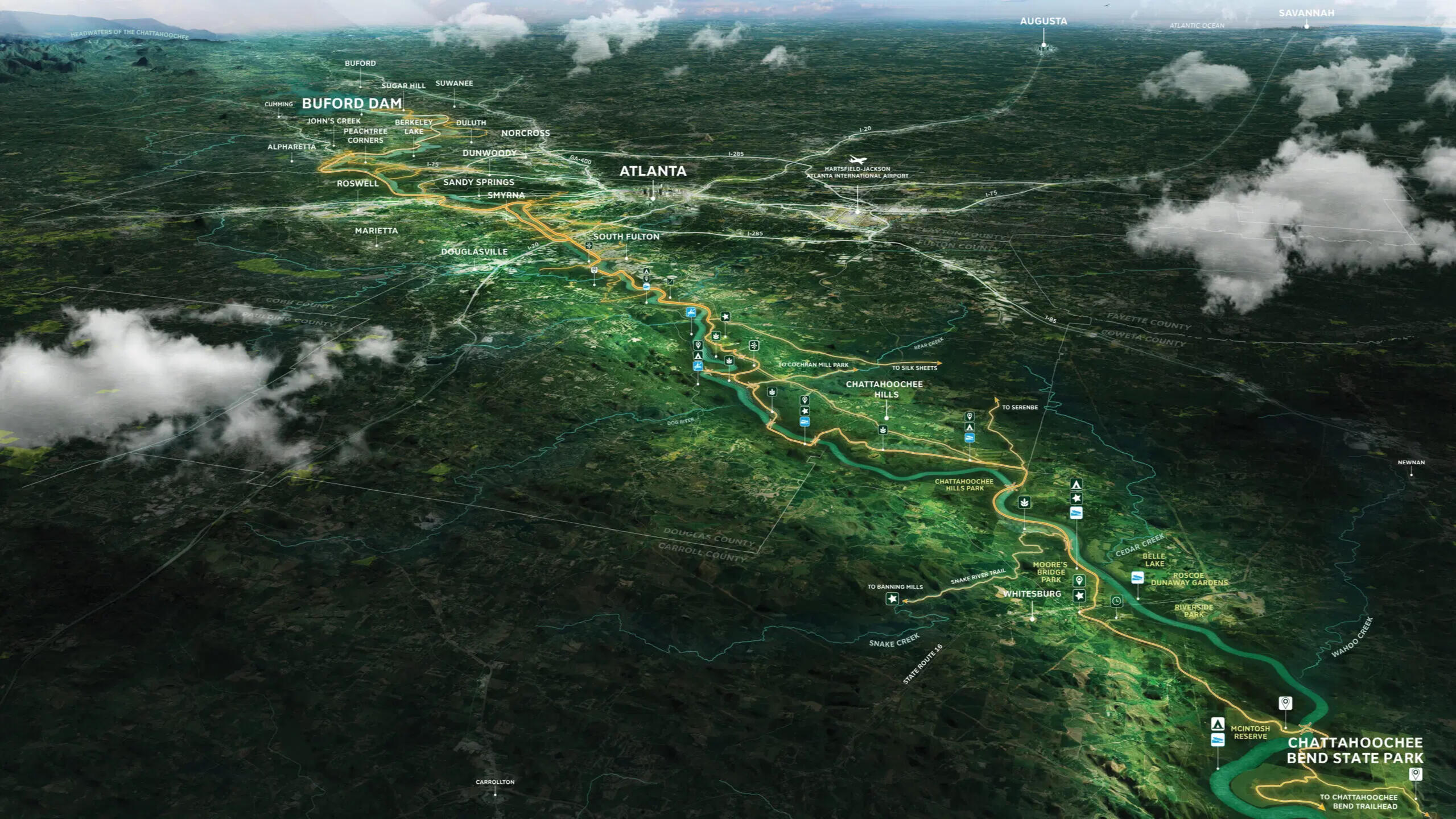
Another one of her projects is the Chattahoochee RiverLands, a bikeway that passes through both white and Black communities. Cutting through redlining and exposing legacies of environmental racism, the project is a "radical effort to stitch together a historically fragmented public realm that showcases the river’s ecology and history".
"These ecological problems cannot be understood, let alone solved, without a careful understanding of our existing society and the irrationalities that dominate it."
—Social Ecology and Communalism
Murray Bookchin
Planning a green city must always require considerations of the historical context that belies an ambitious project. Green gentrification and racist redlining have been pervasive in current environmental projects within cities and cannot be further ignored.
Parks-Based Anti-Displacement Strategies (PRADS) and other municipal legislation can help assist urban planners in creating a community with lower climate risk while reducing risk of displacement and discrimination.
“We are part of nature, a product of a long evolutionary journey. To some degree, we carry the ancient oceans in our blood..."
— Defending the Earth: A Dialogue Between Murray Bookchin and Dave Foreman

There is always concrete: methodical blocks and things far too heavy to lift up– and the stony voice crackles from the speakers, a layer of dust rejoicing in its last swirl through the air as I step off the train, into a land without movement.